What Locals Wish They Knew Before Moving to DC
What to know before moving to DC is not just about cost of living or politics. It is about rhythm, neighborhoods that feel like small towns, traffic patterns that surprise you, and the way this city shifts from weekday intensity to weekend calm.
Washington DC has over 670,000 residents according to the U.S. Census Bureau. But it rarely feels like a massive city. It feels layered. Intentional.
I have watched many people relocate here full of excitement, and I have seen the same small surprises catch them off guard. My goal here is simple. To give you the practical insight locals wish someone had handed them.
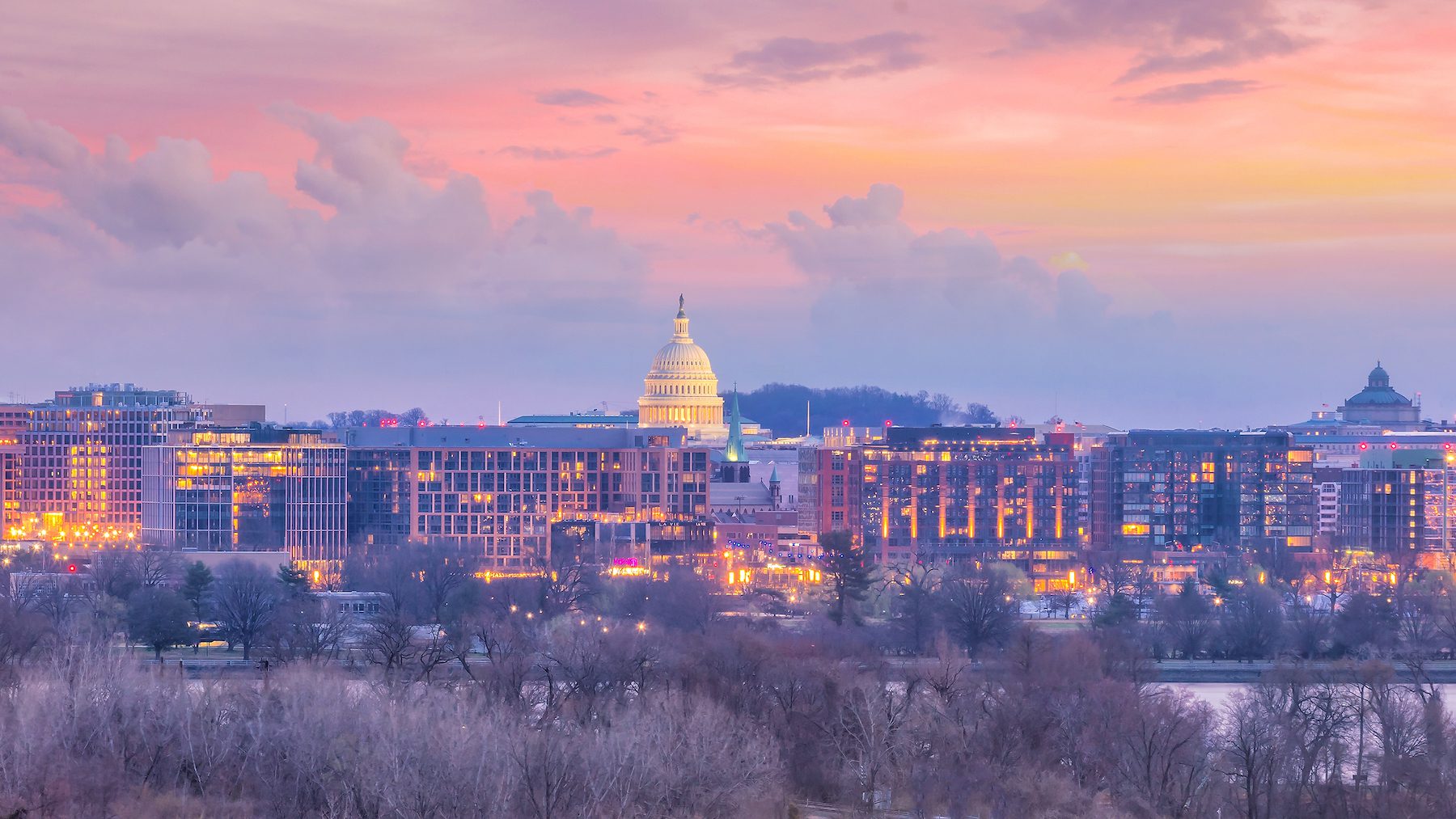
What Should You Really Know Before Moving to DC?
You should know that DC is a city of micro-neighborhoods, tight streets, strong opinions, and surprisingly quiet residential pockets.
Most people think of DC as one thing. Politics. Power. Marble buildings. But daily life here happens on tree-lined blocks in Capitol Hill, along Wisconsin Avenue in Glover Park, in the rowhomes of Shaw, and in the high-rise condos of Navy Yard.
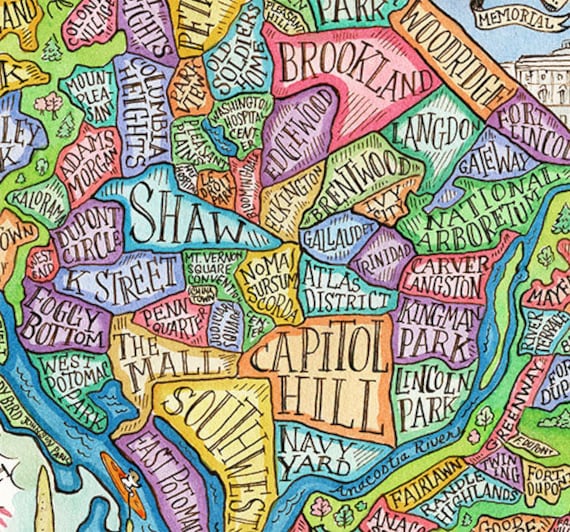
The city is only ten miles across, yet it can feel completely different from one quadrant to another. NW has a different energy than SE. Upper NW feels residential and tucked away. Navy Yard feels new and polished. Adams Morgan still hums at night.
And here is something many do not expect. DC is deeply residential. Once you step off the main corridors, it becomes neighbors walking dogs, families pushing strollers, and people who have lived here for generations.
Which DC Neighborhoods Feel Completely Different Than You Expect?
They almost all do, especially once you move beyond the headline version of each one.
Capitol Hill is not just the Capitol dome and tidy rowhomes. West of Lincoln Park feels polished and established. East of the park, toward Stadium-Armory, homes are often slightly more affordable and blocks feel more residential and tight-knit. Barracks Row brings restaurant traffic at night, but two streets over you will hear mostly dog walkers and neighbors catching up. Eastern Market on Saturday mornings changes the entire mood of the area.
Logan Circle and Shaw shift block by block. Fourteenth Street is lively, sometimes loud, especially on weekends. But walk toward 9th Street or into the smaller side streets with hi
storic rowhomes and it softens quickly. You will see longtime residents sitting on front steps beside newer condo buildings. It is layered. That mix is part of the identity.
Navy Yard feels sleek and newly built, but there are subtle pockets even there. Closer to the water along Yards Park feels open and airy. A few blocks inland toward South Capitol Street feels more dense and vertical. On Nationals game nights the sidewalks are full and restaurants buzz. By 10:30 PM on a non-game weeknight, it can feel surprisingly quiet.
Cleveland Park and Woodley Park have a different rhythm altogether. Connecticut Avenue is the spine, lined with older apartment buildings and neighborhood staples. Step west toward Rock Creek Park and it feels wooded and almost suburban. Detached homes in AU Park and Spring Valley add even more space and quiet, but at the cost of a longer walk to Metro.
Georgetown is beautiful and historic, but daily life there depends heavily on timing. Early mornings are calm. Midday shopping traffic along M Street can slow everything down. The side streets north of P Street feel more residential and less tourist-driven.
Brookland has a strong neighborhood identity anchored by Monroe Street Market and the Basilica. Petworth around Grant Circle feels community-oriented and residential, especially on evenings when neighbors gather outside. Hill East and Kingman Park have become more sought after for their proximity to the Anacostia River Trail and slightly easier parking compared to denser parts of the Hill.
Where Does Traffic Actually Bottleneck in Washington DC?
Traffic bottlenecks in DC are predictable once you live here, but rarely predictable before you move.
Key problem areas include:
- The 14th Street Bridge into Virginia during rush hour
- New York Avenue NE during both morning and evening commutes
- Wisconsin Avenue in Georgetown on weekends
- The Key Bridge during summer tourist season
- The merge points along I-295 in SE
According to the DC Department of Transportation, congestion tends to spike between 7:00 to 9:30 AM and 4:00 to 6:30 PM on major corridors.
What surprises most newcomers is weekend traffic. Saturday afternoons in Georgetown can feel like a gridlock experiment. Sunday evenings returning from Virginia can be slow.
The blessing is this. DC is compact. Even heavy traffic rarely means you are stuck for hours. It just means you learn alternate routes quickly.
How Does the Metro Really Work Day to Day?
The Metro is convenient, but it has personality.
WMATA operates six lines serving DC and the surrounding region. The Red Line is often considered the most reliable for DC proper residents. The Green and Yellow Lines are heavily used in Navy Yard and U Street.
Here is what people wish they knew.
- Late-night service is limited compared to New York or Chicago
- Weekend track work can change schedules
- Trains can feel very different at 8 AM versus 10 PM
On weekdays, Metro is efficient for commuting. On weekends, it requires patience.
If you live within walking distance of a station, you will likely use it regularly. If you are farther into Upper NW or certain parts of NE, you may find yourself relying more on buses or rideshare.

What Is Parking Like in DC, Really?
Parking in DC is manageable if you plan for it, frustrating if you do not.
Many residential neighborhoods require a Residential Parking Permit. Street sweeping enforcement is real. Tickets add up quickly.
Rowhome neighborhoods like Capitol Hill and Petworth rely heavily on street parking. Condo buildings in Navy Yard often include garage spaces, but sometimes at additional cost.
The biggest surprise for many is that owning a car is optional in certain neighborhoods. If you live near Metro, grocery stores, and daily conveniences, you may not drive much at all.
It is not impossible. It just requires intention.
Which Areas of DC Stay Active Late at Night?
Adams Morgan, U Street, and parts of Shaw tend to stay active later than the rest of the city.
Navy Yard is lively on game nights. H Street NE has its own steady energy.
But much of DC quiets earlier than people expect. By 10 PM, many residential areas feel calm. Capitol Hill becomes peaceful. Cleveland Park is mostly still.
This city works hard during the week. It rests more than outsiders assume.
Where Are the Quiet Pockets in DC Proper?
Quiet pockets exist in every quadrant, but they are often one or two streets away from busier corridors.
In Capitol Hill, streets around Lincoln Park and deeper into Hill East feel noticeably calmer than blocks closer to Pennsylvania Avenue. In Shaw, moving just west of 11th Street reduces foot traffic significantly.
Glover Park feels tucked away because it lacks a Metro stop, which naturally limits through-traffic. AU Park and Spring Valley feel almost suburban, with wider lots and less density. Parts of Brookland east of 12th Street feel neighborly and steady, especially in the evenings.
Woodridge in NE and certain sections near Fort Totten are often overlooked but offer quieter residential streets with a different price point than Upper Northwest.
Rock Creek Park creates natural sound buffers. Homes bordering the park benefit from tree cover and less through-traffic. Morning walks there can feel restorative in a way that surprises newcomers.
According to DC’s crime data portal, safety patterns vary by block and time of day, which makes hyperlocal knowledge important.
Every city has challenges. DC is no different. But many residential streets feel far more peaceful than headlines suggest.

What Do Weekends in DC Actually Feel Like?
Weekends in DC feel lighter.
Eastern Market fills with vendors. Farmers markets pop up across neighborhoods. The National Mall becomes a gathering place for visitors and locals alike.
Brunch is almost a civic ritual here.
Saturday mornings feel relaxed. Sunday evenings feel reflective. There is something grounding about watching the city reset after a busy week.
It is one of the things I appreciate most about living here. The contrast. The balance.
Is Living in DC Worth It Long-Term?
For many people, yes.
DC offers access to culture, history, parks, education, and career opportunity in a compact space. According to Census data, the city has a highly educated population and strong median income compared to national averages.
But more than statistics, it offers connection. You see neighbors repeatedly. You build routines. You learn which coffee shop feels like yours.
It is not a perfect city. Housing is competitive. Summers are humid. Politics can feel loud.
Still, there is something meaningful about living here. Gratitude has a way of growing when you realize how walkable your daily life can be.
What Kind of Home Fits the DC Lifestyle Best?
The best home in DC matches how you want to live.
If you value walkability and restaurants, a condo in Logan Circle or Navy Yard may suit you.
If you want quiet evenings and more space, Upper Northwest rowhomes or detached homes might feel right.
If you want community events and historic charm, Capitol Hill offers both.
There is no single right answer. Only alignment.
When I guide clients, I encourage them to think beyond square footage. Think about mornings. Evenings. Commutes. Where you will walk on Saturday. That is what matters long-term.
Conclusion
Moving to DC is not just about changing addresses. It is about stepping into a city with rhythm, nuance, and depth.
If you understand the micro-neighborhood differences, the traffic realities, the Metro quirks, and the weekend calm, you will settle in faster and with more confidence.
I believe informed decisions lead to steadier transitions. And steady transitions matter.
If you are considering a move to DC proper and want honest, practical guidance, call or text me directly. I am always happy to talk through neighborhoods, commute patterns, and what daily life might truly look like for you.
Frequently Asked Questions
Q: Is it better to live in DC or commute from Virginia or Maryland?
It depends on your priorities. Living in DC proper offers walkability and shorter commutes if you work downtown. Commuting from Northern Virginia or Maryland can offer more space, but bridge and highway traffic can add time daily.
Q: Do you really need a car in Washington DC?
Not always. In neighborhoods near Metro and grocery stores, many residents go car-free. If you live farther from transit or travel frequently outside the city, a car becomes more practical.
Q: Is DC safe to live in?
Safety varies by neighborhood and block. Reviewing local data from the Metropolitan Police Department and walking areas at different times of day helps you get a realistic feel.
Q: How much should I budget to live comfortably in DC?
Housing is typically the largest expense. Costs vary widely by neighborhood and housing type, so reviewing current listings and rental data gives the clearest picture. Planning for parking, transportation, and dining out is also wise.
Q: What is the best neighborhood for young professionals in DC?
Many gravitate toward Logan Circle, Shaw, Navy Yard, and U Street for walkability and nightlife. The best choice ultimately depends on commute and lifestyle preferences.
Check out this article next